

Many slot players focus heavily on RTP, or Return to Player percentage. It appears straightforward. A higher RTP suggests better long-term value. However, RTP alone does not describe how a slot actually feels during play, whether in international markets or emerging regions. Two games with similar RTP can deliver completely different experiences. This difference is driven by volatility. Volatility determines how often wins occur and how large they tend to be. For many players, volatility shapes enjoyment and bankroll behavior more directly than RTP. Understanding this distinction helps clarify why volatility often matters more.
What RTP Really Represents
 RTP refers to the theoretical percentage of wagered money that a slot returns over an extended period. For example, a 96 percent RTP means that over millions of spins, the game is expected to return 96 percent of total wagers. This figure reflects long-term averages. Individual sessions do not guarantee alignment with that percentage. RTP does not indicate win frequency or payout size distribution. It simply describes the overall theoretical return. Because players rarely experience millions of spins, RTP becomes less predictive in short-term sessions.
Understanding Slot Volatility
Volatility describes the risk level within the payout structure. Low-volatility slots pay smaller amounts more frequently. High-volatility slots pay less often but offer larger potential wins. Two slots may share identical RTP yet differ dramatically in volatility. A low-volatility game may keep bankroll fluctuations moderate. A high-volatility game may produce long dry spells followed by significant payouts. Volatility determines emotional rhythm. It influences how the session feels from spin to spin.
Session Length and Bankroll Impact
Volatility directly affects how long a bankroll lasts. Low-volatility slots often stretch funds because frequent small wins offset losses temporarily. High-volatility slots can drain funds quickly if large payouts do not appear early. Players with limited bankrolls may prefer steadier patterns. Extended playtime supports entertainment value. High-volatility games appeal to players seeking dramatic swings. However, without adequate bankroll management, sessions may end abruptly. Understanding volatility helps ensure realistic expectations about session duration.
Player Preference and Emotional Experience
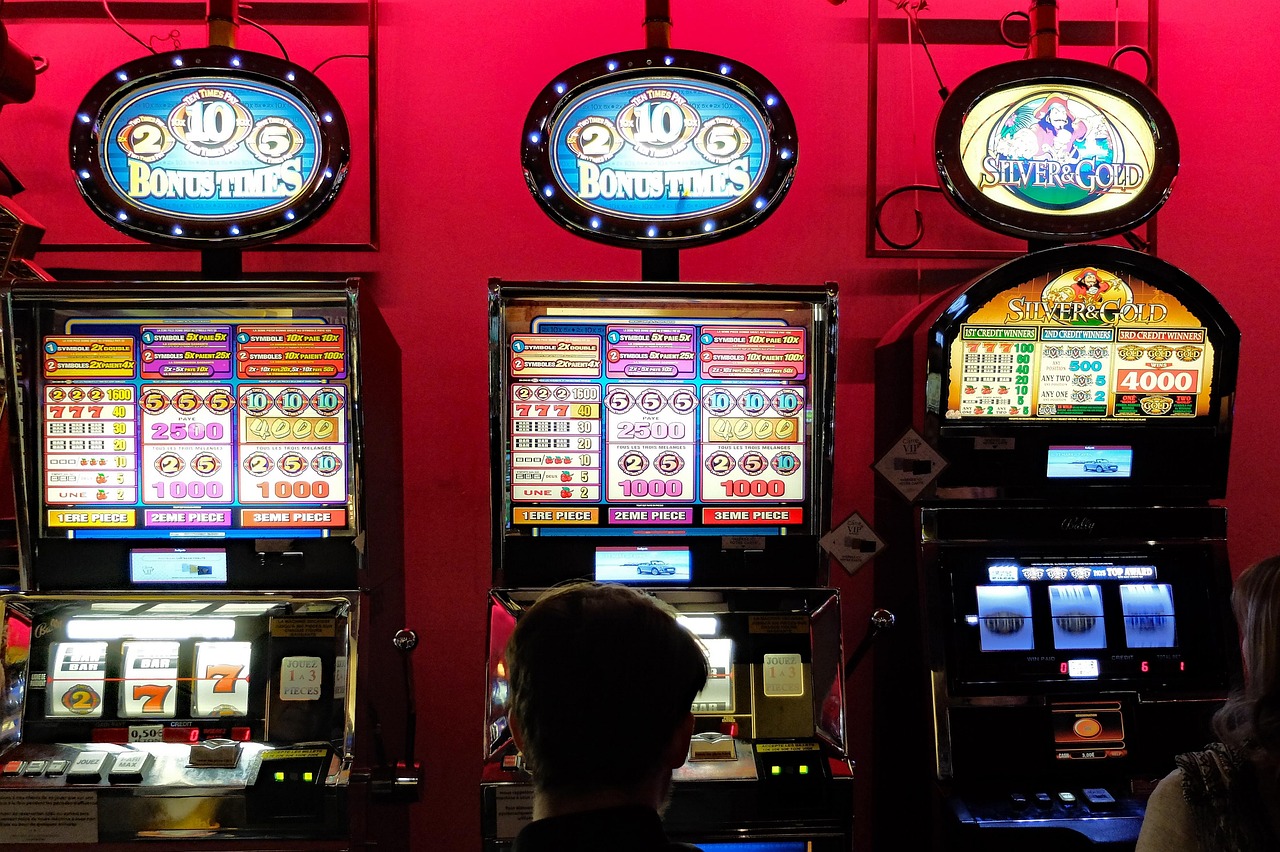
Slot enjoyment depends heavily on emotional flow. Frequent small wins create a sense of activity and momentum. High-volatility games create tension. Extended losing streaks test patience. Some players enjoy anticipation. Others prefer consistent feedback. RTP does not capture these emotional patterns. Volatility shapes engagement more directly. Choosing volatility aligned with personal tolerance improves satisfaction. Awareness supports better game selection.
Misinterpretation of High RTP
Players sometimes assume that higher RTP guarantees better outcomes during short sessions. This assumption overlooks volatility. A high-RTP slot with extreme volatility may still produce extended losing runs. Conversely, a slightly lower RTP with low volatility may provide more stable play. Focusing solely on RTP may lead to unrealistic expectations. Understanding payout distribution matters more than headline percentages for practical play decisions.
Strategic Game Selection
 Selecting slots based on volatility aligns play style with risk tolerance. Conservative players may prioritize low or medium volatility. Those seeking large jackpot potential may accept higher volatility. A balanced approach involves matching bankroll size, time availability, and emotional comfort. Volatility provides insight into probable experience. RTP offers a theoretical context. Both metrics matter, but volatility often influences immediate satisfaction. Recognizing this distinction empowers players to make informed choices.
Slot machine volatility often matters more than RTP because it shapes win frequency, payout size, emotional rhythm, and bankroll sustainability. While RTP reflects long-term theoretical return, volatility determines short-term experience. Understanding volatility helps players select games aligned with risk tolerance and session goals. In practical terms, how a game behaves during play frequently outweighs abstract percentage figures.